Green or Sustainable buildings are gaining importance in the real estate domain. Many buyers, businesses and investors prefer green buildings because they reduce the ecological footprint, ensuring a healthier and sustainable environment.
However, green buildings are often associated with energy efficiency, water conservation and sustainable materials. One significant element that is overlooked in green buildings is fireproofing.
What is Fireproofing in Buildings?
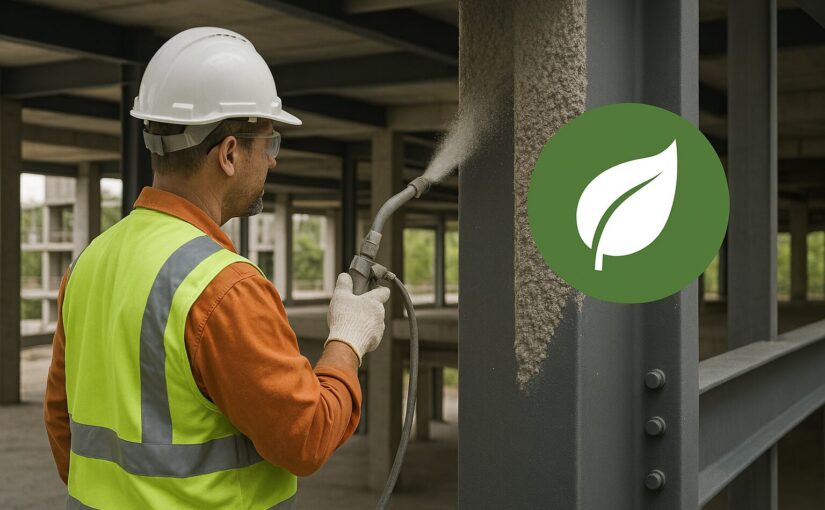
Fireproofing for sustainable buildings is the process of applying materials and systems that increase the structure’s resistance to fire, slow down heat transfer, and help contain fire spread. This includes spray-applied fire-resistant materials, intumescent coatings, fireproof boards and insulation, concrete and mortar systems.
These fireproofing methods protect occupants and also enhance the resilience of the structure, minimize material waste during a fire outbreak, thus supporting eco-friendly goals.
Fireproofing and Green Building Certification
Fireproofing plays a key role in Green Building Certification. Fireproofing seamlessly blends safety with sustainability. It helps extend the lifespan of the building, minimizes the need for reconstruction after fire incidents, conserves resources and supports optimum use of the materials.
Role of Fireproofing in LEED Certification
Fireproofing supports LEED Certification by increasing the building’s safety, durability and sustainability. It protects structural materials like steel and concrete, while also reducing the need for repairs and replacement.
The fireproofing materials, like intumescent paints and recyclable boards, align with the LEED credits under Materials & Resources and Indoor Environmental Quality. Furthermore, the premium quality fireproofing systems that improve energy efficiency or minimize the carbon footprint may earn points under the Innovation category.
Thus, fireproofing is an important contributor to LEED’s holistic green building framework. Using intumescent coatings with water-based, low-emission formulas can help both in meeting fire codes and eco-friendly credits.
Fireproofing and IGBC Certification
The IGBC Green Building Rating System prioritizes resource conservation and safety in Indian construction projects. The fireproofing aligns with the IGBC in many ways –
- Increased Safety
- Energy Efficiency
- Use of local materials to reduce transport emissions.
Fireproofing and Green Building Certifications
Green Building Certifications focus on holistic sustainability. It covers energy, materials, and indoor air quality and occupant well-being. Fireproofing adheres to these frameworks by
- Extending Lifespan of Building: Fireproof buildings resist catastrophic damage, minimize the need for premature reconstruction.
- Support Material Efficiency: It also acts as a protective cover for steel, wood and concrete, ensuring the resources are not wasted after a fire breakout.
- Enhancing Occupant Safety and Comfort: Certifications like LEED prioritize health and safety, and fireproofing directly supports these criteria.
- Improve Insurance and Risk Ratings: The buildings with robust fire protection systems often qualify for the lower insurance premiums, reinforcing economic sustainability.
Environmental Benefits of Fireproofing
Beyond direct certification points, fireproofing has broader ecological benefits, aligning with the green business principles.
- Reduced Carbon Footprint from Reconstruction: A fire-damaged building requires demolition and reconstruction from scratch. This leads to significant carbon emissions. Fireproofing helps avoid this wasteful cycle.
- Resource Conservation: Preserving steel, wood, and concrete means fewer natural resources are consumed for repairs and rebuilding.
- Good Indoor Air Quality: Non-Toxic, low VOC fireproofing coatings prevent harmful emissions, ensuring healthy indoor environments.
- Energy-Efficiency: Some Fireproofing materials, like insulation boards, also increase thermal performance, leading to energy efficiency goals.
Choosing Eco-Friendly Fireproofing Solutions
Not all the fireproofing materials are created equal. For green building certifications, it is important to choose solutions that balance safety and sustainability. Here are some of the most used sustainable fireproofing solutions-
- Water-Based Intumescent or Low VOC Coatings: This fire-resistant solution is safe for installers and occupants.
- Recycled or Recyclable Materials: The spray-applied coatings with recycled content contribute to material efficiency.
- Non-Toxic Options: The non-toxic fire-resistant solutions are free from asbestos, halogens and other harmful chemicals.
- Locally-Sourced Materials: The locally sourced materials for building reduce transportation emissions and support local economies.
What are the challenges of aligning fireproofing with Green Certifications?
While fireproofing is important, achieving compliance with green standards can be challenging.
- Higher Initial Costs: Eco-Friendly fireproofing materials are more expensive upfront.
- Availability: The sustainable fireproofing options may not be available in all regions.
- Technical Synergy: Blending fireproofing elements with the structure’s design aesthetics and energy efficiency requires expertise.
These challenges can be offset by long-term benefits such as lower maintenance, higher property value and reduced operational risks.
How to choose good, sustainable fireproofing solutions?
Choosing the right fireproofing solutions is important for balancing safety, sustainability and compliance with the green building norms.
Here are some of the key points to consider-
- Choose the water-based or low-VOC intumescent coatings that reduce harmful emissions and enhance indoor air quality.
- Select the products made from recycled materials or those that can be reused at the end of their lifecycle.
- Make sure the materials carry 3rd party certifications or are environmentally compliant.
- Select the products that contribute to LEED or IGBC credits under Materials and Resources or Indoor Environmental Quality.
- Consider local sourcing or regionally produced fireproofing products that minimise transportation emissions and support local economies.
- It is important to evaluate how long a fireproofing solution will last without frequent replacement, ensuring cost-effectiveness and reduced waste.
- Some fireproofing solutions improve thermal insulation or soundproofing, offering added eco-friendly benefits.
- Choose the fire-resistant system that requires minimal energy, water or chemical use during application, minimising the ecological impact.
- Work with the trusted suppliers. JPSC Solutions are reliable suppliers of premium-quality fire-resistant solutions. They are transparent about material composition and eco-friendly practices.
Consider these factors to ensure the fireproofing choices enhance safety and align with long-term sustainable goals.
Fireproofing is not code compliance or occupant safety; it is a strategic enabler of eco-friendliness. Today, climate responsibility and resilience are the main priorities, fireproofing is important for achieving sustainable and safe buildings.
FAQs
- What is fire safety in the green building design?
Fire safety in green building design is the integration of fire-resistant materials, systems and strategies that protect the occupants and structures while supporting eco-friendly initiatives and environmental performance. JPSC Solutions supplies premium quality, sustainable fireproofing solutions that help achieve green building certifications. - Why are sustainable fireproofing solutions important in today’s era?
Sustainable fireproofing solutions are important as they ensure life safety, minimize ecological impact, conserve resources and support green building certifications in an era focused on sustainability. - How are fireproofing solutions important in achieving green building certifications?
JPSC Solutions fireproofing solutions are important in achieving green building certifications as they increase safety, durability and resource efficiency while contributing to credit in materials, indoor air quality and innovation.