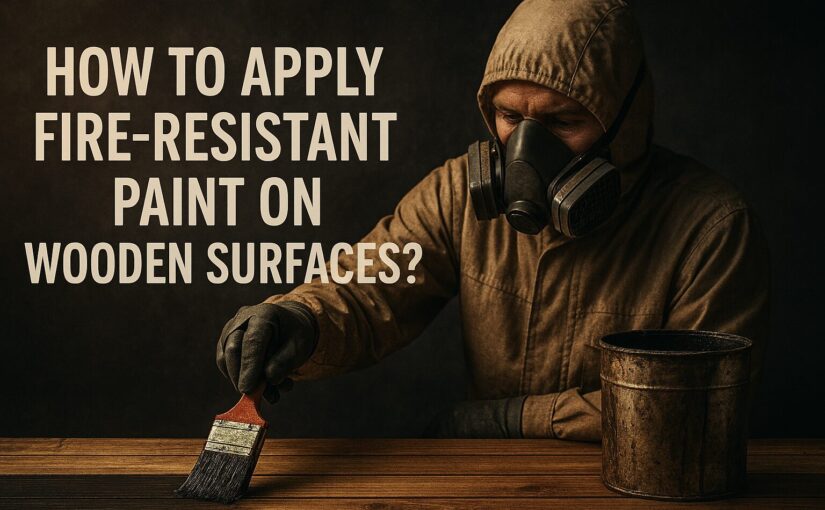
How to Apply Fire-Resistant Paint on Wooden Surfaces?

Wooden doors, surfaces and ceilings add warmth and beauty to your home or office. But wood is highly combustible.
Here comes the role of the best fire-resistant paint for wooden doors and surfaces. Applying fire-resistant paint to wood is one of the most effective ways to improve fire safety without compromising the aesthetics of the interior.

What is Fire-Resistant Paint?

Fire-resistant paint is a specialised protective coating designed to slow down the spread of fire and reduce heat damage to surfaces such as steel, wood, concrete, and walls.

When exposed to high temperatures, this paint forms an insulating char or intumescent layer that expands and shields the underlying material from flames, helping to maintain structural integrity for a longer time.

Widely used in residential, commercial and industrial buildings, fire-resistant paint increases fire safety, providing enough time for evacuation, supporting compliance with fire regulations without altering the appearance of the surface.

Importance of Fire-Resistant Paint for Wooden Surfaces

Applying fire-retardant paint on interior and exterior wood surfaces slows down the fire spread, reducing heat release.

When exposed to high temperatures, the coating expands and forms a protective shield over the wood.

Benefits of Fire-Resistant Paint for Wooden Surfaces

  • Delays ignition and flame spread
  • It provides extra time for evacuation
  • It helps meet fire safety norms
  • Preserves the natural look of wood.

Types of Fire-Resistant Paint for Wood

  • Intumescent Fire-Resistant Paint
  • Fire Retardant Coatings
  • Clear Fire Resistant Coatings

How to apply fire-resistant paint on wooden surfaces?

  • Surface Preparation: This is the most important step in the fire-resistant paint application process for wood surfaces. Proper surface preparation ensures strong adhesion and effective fire protection. It involves cleaning the wooden surface to remove dust, grease, oil or old paint. Then sand the surface, creating a smooth and even base. A poorly prepared surface can reduce fire resistance performance significantly.
  • Apply Primer: The next step is to apply primer. Some fire-resistant paints require a compatible primer, while others can be directly applied to wood. When applying primer, check the instructions of the manufacturer. Apply primer evenly using a brush or roller. Allow sufficient drying time before applying the fire-resistant paint. Correct primer improves adhesion and durability.
  • Mixing the fire-resistant paint: Fire-resistant paints contain special compounds that settle at the bottom. Stir the paint thoroughly using a clean stirrer. Only if the manufacturer has specified diluting the paint. Make sure the consistency is uniform before application.
  • Application of paint on wood: There are various methods of applying fire-resistant coating for wooden ceilings, doors or other surfaces. These include brush application, roller application and the spray application.
  • Number of Coats: Usually, two to three coats are required. Make sure each coat is dry completely before the next application.
  • Drying and Curing Time: Drying time varied based on paint type, temperature, humidity and ventilation. The painted surface should not be exposed to moisture or heavy use during curing.
  • Inspection and Thickness Verification: Fire-resistant performance depends on achieving the correct coating thickness. Use a wet film thickness gauge during application. Make sure the final dry film thickness meets certification standards. Check for missed spots, bubbles and uneven layers.
  • Maintenance and Reapplication: Fire-resistant coatings are durable but not permanent. It is important to inspect wooden surfaces annually. Reapply paint if there is peeling, cracking or mechanical damage. Avoid harsh cleaning chemicals that may damage the coating. Regular maintenance ensures continued fire protection.

Common uses of Fire-Resistant Paint on Wood-

  • Wooden doors and frames
  • Wooden ceilings
  • Wall paneling
  • Furniture in public buildings
  • Wooden partitions in offices and hospitals.

The above is the step-by-step guide to apply fire-retardant paint on wood. Before trying the DIY process, work with a professional service provider to ensure an accurate and hassle-free application.

DIY v/s Service Provider- Which is the Best Option for Applying Fire Retardant Paint on Wooden Surfaces

Choosing between DIY applications and hiring a professional service provider depends on safety needs, budget and compliance requirements.

  • DIY: Though DIY is a cost-effective process, it has many cons. This process works best for furniture, small décor pieces or minor wooden fixtures. It can be done on your own specific schedule. However, if incorrectly done, the application reduces fire resistance. Any mistake can mean rework, adding more time than expected. Without experience, one might not achieve proper fire protection.
  • Professional Service Provider: The experts ensure the proper surface preparation with clean wood, sanded and primed properly. The accurate application ensures correct paint thickness and technique for maximum fire resistance. The service providers often use certified coatings that meet local codes. Hiring a professional service provider for applying fire-retardant paint on wooden surfaces includes a performance guarantee. The process is hassle-free with fewer disruptions, and professionals handle mess and drying logistics effectively.

Applying fire-resistant paint on wooden surfaces is a smart and practical way to increase fire safety without altering design and aesthetics. By following the correct process, including surface preparation, proper application, thickness control and maintenance, one can reduce fire risk and improve compliance with safety norms.

Whether for residential, commercial or industrial use, investing in the best quality fire-resistant paint and professional application practices ensures long-term protection, peace of mind and safety.

FAQs

  1. How to use the fire-retardant coating on wooden furniture?
    You can follow the above guide or work with JPSC Solutions, the professional service provider, to apply fire-retardant coating on wooden furniture.
  2. How to paint fireproof coatings on wooden walls?
    Follow the above step-wise guide or work with an experienced service provider to paint fireproof coatings on wooden walls.
  3. Which fire-retardant paint is best for plywood or MDF?
    Work with the professional team of JPSC Solutions to understand the best fire-retardant paint for plywood or MDF.

About the Author

JPSC Solutions is the leading fire protection specialist and manufacturer and supplier of advanced fire retardant paints and coatings, committed to enhancing safety across residential, commercial and industrial sectors.

The brand focuses on delivering passive fire protection solutions that adhere with the international standards such as ASTM, UL, NFPA and FM, offering certified fire retardant paints, intumescent coatings and fireproofing systems backed by professional engineering support and on-site application expertise.
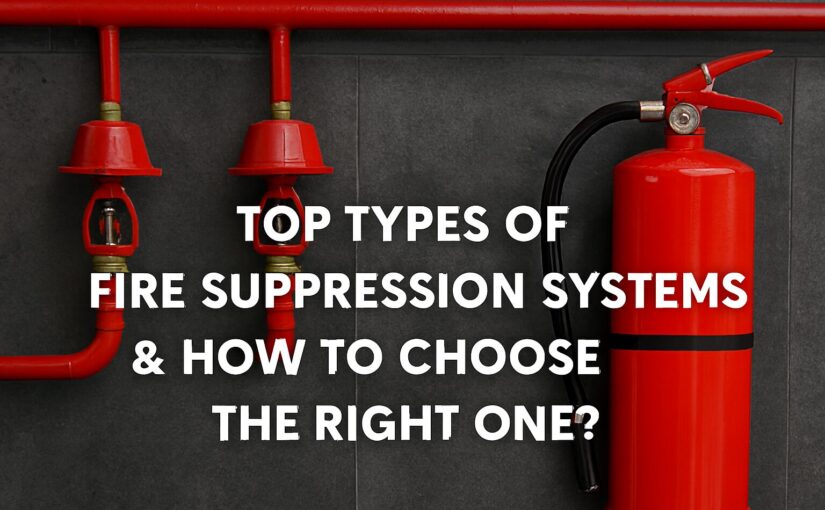
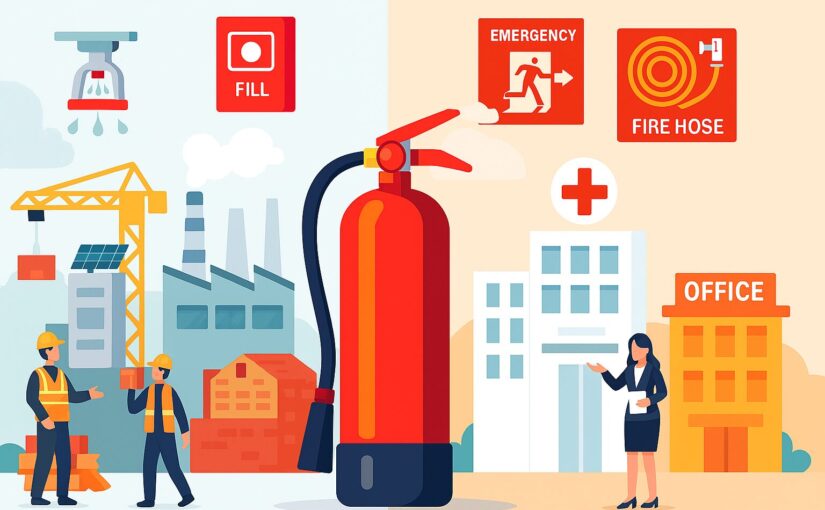
Top Types of Fire Suppression Systems & How to choose the right One?

Fire safety is important for protecting your property, lives and business continuity. It is important to choose the right fire suppression system to reduce damage, downtime and risk during a fire emergency.

With multiple options available, understanding the different types of fire suppression systems and knowing how to choose the best fire suppression system for commercial buildings and other structures is important.

What is a Fire Suppression System?

Fire Suppression System for industrial facilities and other facilities is a meticulously engineered safety solution that detects and controls or extinguishes fires manually or automatically.

Unlike basic fire extinguishers, the fire control devices respond quickly, reducing fire spread and human intervention.

Places where the Fire Suppression System is used

  • Commercial building
  • Industrial plants
  • Data Centers
  • Kitchens
  • Warehouses

Contact the professional fire suppression system installation services near me to choose the right device for your property.

Types of Fire Suppression Systems

  • Water-Based Fire Suppression Systems: The water-based fire control systems are the most traditional and are widely used in fire protection solutions. The most common types include sprinkler systems and water mist systems. They are best suited for offices, residential buildings and commercial spaces. When seeking kitchen fire suppression systems for restaurants, consider the water-based fire devices. These systems are cost-effective, easy to maintain and highly effective for Class A fires.
  • Gas-Based Fire Suppression Systems: These devices release clean agents that suppress fire without leaving residue. They are apt for data centres, server rooms, control rooms and telecom facilities. They are safe for electronics, ensure fast fire suppression, and there is no cleanup required. If you are looking for the best fire suppression system for data centres and server rooms, they are the go-to option.
  • Foam Fire Suppression Systems: The foam fire suppression device creating a layer over flammable liquids to suppress fire and prevent re-ignition. They are apt for oil and gas facilities, refineries, aircraft hangars and chemical plants. They are best for Class B fires, rapid fire control and prevent vapor release.
  • Dry Chemical Fire Suppression Systems: These devices discharge dry chemical powders to disrupt the chemical reaction of fire. They are effective against Class A, B and C fires. They are quick in fire knockdown and are reliable in harsh environments. These devices are best suited for industrial plants, paint booths and fuel handling areas. When looking for the affordable fire suppression systems for warehouses, consider a dry chemical fire control device.
  • Wet Chemical Fire Suppression Systems: Wet Chemical Fire suppression devices are meticulously designed for commercial kitchens. They are best for restaurants, hotels, food courts and commercial kitchens. They are highly effective on cooking oil and grease fires, prevent re-ignition and meet kitchen norms.
  • CO₂ Fire Suppression Systems: Carbon Dioxide systems suppress fire by reducing oxygen levels in the protected areas. They are best for the electric rooms, turbine enclosures and industrial machinery spaces. They do not have any residue, are effective on Class B and C fires and ensure quick suppression.

Guide to Choose the Right Fire Suppression System

Choosing the right system depends on several technical, operational and safety factors. Here are some of the important points to consider when selecting the right fire control device for your structure.

  • Identify the Fire Risk Type: Understand the Class of Fire that is likely to occur. Each fire class requires a different suppression approach. For instance, Class A- solid materials, Class B- flammable liquids, Class C – Electrical Fires and Class K – Cooking oils and fats.
  • Occupancy Type: Check if the area is occupied or not. Occupied spaces require human-safe systems like water or clean agents. Unoccupied industrial areas can use CO₂ or dry chemical systems. Life safety is an important parameter when choosing a fire safety system.
  • Check the equipment safety: For areas with expensive or sensitive equipment, avoid water-based systems and prefer clean agents or gas-based systems. This prevents costly downtime and equipment damage.
  • Check regulatory and compliance norms: Fire suppression systems must adhere to the local fire safety codes, national standards and insurance requirements. Non-compliance can lead to fines or insurance claim rejection.
  • Installation and Maintenance costs: Initial cost is important, but long-term maintenance matters more. The water systems have low upfront costs, and gas foam systems offer higher protection but require professional maintenance. Choose the fire suppression system service provider that offers good maintenance and inspection services.
  • Check the space and design constraints: Some fire control devices need sealed rooms, storage cylinders and piping networks. Ensure your facility layout supports the chosen system.

Why work with a Professional Fire Safety Consultant to choose the right System?

When choosing the right automatic fire suppression system for offices or other structures, it is advisable to work with a professional fire safety consultant.
A professional fire consultant evaluates-

  • Fire load
  • Risk Zones
  • Building Design
  • Operational Needs

The consultant will ensure the system is effective, compliant and future-ready.

Things to consider when choosing the best fire system service provider

  • Experience: Choose the service provider with proven expertise and experience in designing and maintaining fire suppression systems for your industry niche.
  • Certifications and Compliance: Make sure the service providers follow local fire safety norms and international standards
  • Tailored Solutions: The provider must be proficient in assessing risks and offer site-specific fire protection solutions.
  • Maintenance and Support: Look for a reliable after-sales service, inspections and emergency support.
  • Quality and Image: Check the client reviews, project history and quality of systems supplied.

Fire suppression systems are an important investment in safety. The right choice depends on the fire risk, occupancy, equipment sensitivity and compliance.

FAQs

  1. What is the fire suppression system cost per square foot?
    Contact the JPSC Solutions team to understand the cost and other details.
  2. What is a vehicle fire suppression system for heavy machinery?
    A vehicle fire suppression system for heavy machinery is an automatic safety system designed to detect and quickly suppress fires in high-risk equipment like loaders, mining vehicles and excavators while protecting assets and the operators.
  3. Which fire suppression system is best for data centres?
    Work with the fire safety consultant of JPSC Solutions to understand the right fire suppression systems for your data centre.

How JPSC Solutions Customizes Fire Protection Systems for Different Industries?

Fire safety systems are the need of the hour to protect different industries from huge losses in case of a fire breakout. The industry owners incorporate various fire protection systems in their facilities to reduce the impact of fire in case of any unprecedented event.

However, there is no one-size-fits-all approach when it comes to fire protection devices, and JPSC Solutions customizes fire protection systems tailored for different industries.

What is a Fire Protection System?

Fire protection equipment is an integrated setup of equipment and safety measures designed to detect, control and extinguish fires. It is designed to protect lives, property and assets.

The system includes an active fire protection and a passive fire protection system. The active systems include –

  • Fire Alarms
  • Smoke Detectors
  • Sprinklers
  • Extinguishers
  • Suppression Systems

These devices actively respond to fire emergencies. The passive elements include –

  • Fire-Resistant Walls
  • Doors
  • Insulations

The passive elements prevent the spread of flames. These systems work together to ensure early detection, safe evacuation and quick response, making them an integral part of industrial buildings, ensuring enhanced safety and compliance.

Why Industry-Specific Fire Protection Solutions Matter?

Every industry has its own fire-risk scenarios; for instance, a pharmaceutical manufacturing plant will have vastly different fire load features, structural requirements and regulatory needs compared with a retail mall or a data centre.

JPSC Solutions tailors fire protection systems for buildings and ensures –

  • The correct material selection
  • Compliance with local and international building and safety codes
  • Right Fire Rating
  • Cost-Efficient Protection

This industry-specific customization increases safety, minimizes liability and signals authority and trust to clients.

How JPSC Solutions Customizes Fire Protection Systems for Different Industries?

  • Understand Industry-Specific Fire Risks: JPSC Solutions identifies the unique fire hazards in each industry. They understand that the fire risk in the manufacturing plant is different from that in the commercial complex and data centres. They study the materials used, equipment layout, storage methods and building design to assess fire vulnerability. Thus, they ensure the tailored industrial fire protection systems are aligned with the client’s real environment.
  • Site Assessment and Risk Analysis: The experienced engineers at JPSC Solutions conduct on-site fire safety audits and risk assessments before designing any system. They inspect the building structure, fire load, electrical layouts, cable routes, evacuation paths, compartment zones, and chemical or flammable material storage areas. Using the data from this assessment, they design a targeted fire safety strategy aligned with the specific industry building needs and national safety standards.
  • Tailored Design: Every project begins with a customized design blueprint, ensuring that the system aligns with the client’s operations and safety goals. For instance, industrial plants with 2 – 4 hours fire ratings for steel structures will have cementitious or intumescent coatings. Warehouses with large area coverage and compartmentalization will have fire-stop sealants to prevent fire spread. Data centres need specialized fire system installation for server rooms and cable trays.
  • Suitable Fire Protection Materials: JPSC Solutions selects suitable fire protection materials. The service provider uses the best quality, UL and BS approved fire protection materials for durability and reliability. They use
  1. Intumescent coatings, which expand under heat to protect steel structures.
  2. Cementitious Coatings, for factories and heavy industry.
  3. They also incorporate fire-stop systems to prevent the spread through walls, floors and service openings.
  4. They apply fire-retardant paints to cables, ducts and wooden or metal surfaces to slow ignition.

The choice of the materials depends on the temperature exposure, structural needs and safety rating goals.

  • Quality and Testing: After installation, JPSC Solutions conducts performance testing to verify coating thickness, adhesion and rating compliance. Their team conducts periodic inspections, ensuring the continued reliability of all fire protection systems.
  • Compliance and Documentation: The service provider helps their clients with all the regulatory documents, including fire rating certifications and inspection reports. Their compliance support ensures smooth approvals from fire departments, insurance auditors and safety inspectors.
  • Maintenance: JPSC Solutions offers ongoing maintenance services to keep the fire protection systems in the best condition. They conduct regular inspections, re-coating, and system upgrades, ensuring long-term safety and performance. Their proactive approach reduces the risk of system failure during emergencies.

What makes JPSC Solutions stand out?

  • Industry Experience: JPSC Solutions has years of experience and expertise in passive and active fire protection. They understand the unique challenges of different industries- from manufacturing and warehousing to data centres and commercial buildings. They deliver tailored fire protection systems for commercial buildings aligned with needs and risk factors.
  • Tailored Solutions: The offer fire safety solutions after detailed site assessments and risk analysis. They stand out for delivering tailor-made systems that fit each environment’s needs.
  • Certified Quality: JPSC Solutions uses UL and BS-approved coatings and fire-stop materials, ensuring reliability, durability and compliance with international safety norms.
  • Engineering-Led Designs: The fire protection systems of the JPSC Solutions are built on scientific engineering principles. The systems offer long-term structural protection without compromising the aesthetics and functionality of the industry building.
  • Comprehensive Approach: From consultation to design, installation, inspection and maintenance, JPSC Solutions provides complete end-to-end fire safety solutions under one roof.
  • Proven Trust and Credible Image: Through a professional approach, transparency and on-time project delivery, JPSC Solutions has built a strong image as a trusted partner in fire protection across India.

JPSC Solutions tailors fire protection systems, aligning with industry needs, regulatory mandates and client expectations. Whether you seek fire

Protection for warehouses or for a commercial office block, industry facility, or data centre, working with JPSC Solutions will safeguard your assets, people and image.

FAQs

  1. Does JPSC Solutions provide residential fire safety systems?
    Yes, JPSC Solutions provides tailored residential fire protection systems smartly designed to protect homes with reliable and compliant fire retardant solutions.
  2. What are different examples of fire safety systems for industries?
    Examples of industrial fire safety systems include fire detection and alarm systems, sprinkler systems, fire-stop barriers, intumescent coatings and fire-retardant paints.
  3. How does JPSC Solutions tailor fire protection systems for industries?
    By detailed risk assessment, customized design and selection of certified fireproofing materials suited to each environment, JPSC Solutions customizes fire protection systems for industries.

Mechanical Fire Seals v/s Static Fire Stops- Comparative Analysis on Benefits and Limitations

Fire safety is important in every building design. Choosing the right firestop systems can make the difference between a huge irreparable loss and a contained incident.

Among the most commonly used systems are the mechanical fire seals and static fire stops. Each system has its unique benefits, applications and performance features.

What are Fire Containment Solutions?

A fire containment system is a set of parts used to seal openings and joints in fire-rated walls or floors to prevent the spread of fire, smoke and toxic gases. They are important wherever cables, pipes or ducts pass through fire-rated barriers.

There are two types of Firestopping systems-

  • Mechanical Fire Seals: They are active or adjustable fire protective devices
  • Static Fire Stops: They are passive and fixed systems that rely on non-mechanical materials.

What are Mechanical Fire Seals?

Mechanical Fire Seals are engineered systems that use mechanical compression, intumescent materials or expansion mechanisms to seal penetrations when exposed to heat or fire.

These seals are used for movable, replaceable or serviceable penetrations such as pipes, conducts and cable trays.

Main Features

  • They feature expandable materials that react to heat
  • They allow for regular maintenance and re-penetration without damaging the barrier
  • They provide air-tight and water-tight sealing
  • The seals are commonly used in industrial plants, offshore facilities and data centres.

What are Static Fire Stops?

They are the passive fire protection. They are the non-mechanical barriers that seal gaps, joints and penetrations using intumescent sealants, mortar, putty or fire-rated foam. They are permanent systems designed for non-moving penetrations where maintenance or future access is not required.

Main Features

  • The static fire stops are simple, affordable and easy to install
  • They form a solid, fire-resistant barrier once applied
  • They are ideal for walls, floors and ceilings in buildings with stable utilities
  • They are commonly used in residential and commercial buildings for general fire containment.

Mechanical v/s Static Fire Protection

FeatureMechanical Fire SealsStatic  Fire Stops
FunctionActive sealing under pressure or heatPassive sealing using fire-resistant material
Material TypeIntumescent Compounds, metal sleeves, mechanical compression systemsMortar, sealants, putty or fire-foam  
ReusabilityCan be reused and serviceableCannot be reused as it is permanent
MaintenanceAllows for easy re-entry for cable or pipe changesNot designed for re-entry or modification
CostHigher initial investmentAffordable
ApplicationsIndustrial, Marine, Power Plants and Data CentersCommercial, Residential and Institutional buildings
Fire Ratings2-4 hours1-3 hours
Water and Gas TightnessExcellent protection against leakageLimited Resistance

What are the benefits of Mechanical Fire Sealing Solutions?

  • High Performance under Pressure: They expand when exposed to heat, creating a tight seal that prevents the passage of flames, smoke and gases.
  • Easy-to-Maintain: They are easy to maintain, making them ideal for facilities where frequent modifications to electric cables or pipes are required.
  • Versatility: They are versatile and work effectively across multiple environments.
  • Robust Protection: The mechanical fire sealants offer great protection against fire, gas and water tightness, making them ideal for critical systems like control rooms and electrical ducts.
    Limitations of Mechanical Fire Seals
  • High Initial Cost: Their cutting-edge design and materials make this fire sealing solution more expensive.
  • Complicated Installation: It can only be installed and tested by trained professionals.
  • Space: Some of the mechanical fire seals occupy more space, which can be restrictive in compact installations.

What are the benefits of Static Fire Stops?

  • Simple Installation: The static fire stops can be applied quickly with minimal tools and expertise.
  • Cost-Effective: They offer reliable fire protection at a lower cost, thus they are ideal for budget-sensitive projects.
  • Permanent Shield: Once installed, the passive fire stops provide long-term safety without the need for frequent maintenance.
  • Adaptability: They are installed in a variety of construction materials and configurations.

Limitations of Static Fire Stops

  • Non-Reusable: Once installed, these fire barriers cannot be reopened without damage.
  • Limited Flexibility: They are not suitable for moving or expanding penetrations.
  • Water and Gas Resistance: These sealants offer protection against leaks.
  • Frequent Inspection Required: They must be checked frequently to ensure cracks or gaps have not developed over time.

Which Firestopping Materials- Mechanical Fire Seals or Static Fire Stops- Do You Need to Choose?

  • For high-vibration or industrial areas, mechanical fire seals are best. For stable, low-risk residential or commercial areas, static fire stops are an ideal choice.
  • If there is a need for frequent access or cable/pipe modifications, go for mechanical. If you plan permanent installation with no planned changes, then static fire sealant is a go-to choice.
  • If you seek airtight, water-tight and gas-tight protection, mechanical is the perfect choice. If you feel the basic fire and smoke resistance is sufficient, then static fire sealants are the best option.
  • Mechanical fire seals are expensive but ensure high performance and long-term reliability. The static fire seals are cost-effective and easy to install.
  • The mechanical fire seals are moving penetrations. The static fire seals are fixed penetrations.

Both the mechanical fire seals and static fire stops play a key role in fire protection design. While the former provides flexibility, reusability and best sealing performance for critical facilities, the latter offers simple, cost-effective and permanent solutions for general applications.

The right choice depends on your application type, maintenance requirements and safety priorities. Working with a professional fire protection service provider will ensure the correct system selection, professional installation and long-term safety compliance.

FAQs

  1. Which fire sealant is best for fire safety in buildings?
    Static Fire Stops are best for fire safety in buildings. JPSC Solutions offers premium quality, cost-effective and customized passive fire sealants aligned with your facility needs.
  2. What are the applications of Mechanical Fire Seals?
    The mechanical fire seals are used in marine, data centre, industrial and high-risk facilities to protect pipes, cables and ducts from fire, smoke and gas spread.
  3. Why JPSC Solutions stands out as the supplier of the best fire sealants?
    JPSC Solutions stands out as the best fire sealant supplier due to their best quality products, reliable performance and compliance with international fire safety guidelines.

The Role of Fireproofing in Achieving Green Building Certifications

Green or Sustainable buildings are gaining importance in the real estate domain. Many buyers, businesses and investors prefer green buildings because they reduce the ecological footprint, ensuring a healthier and sustainable environment.

However, green buildings are often associated with energy efficiency, water conservation and sustainable materials. One significant element that is overlooked in green buildings is fireproofing.

What is Fireproofing in Buildings?

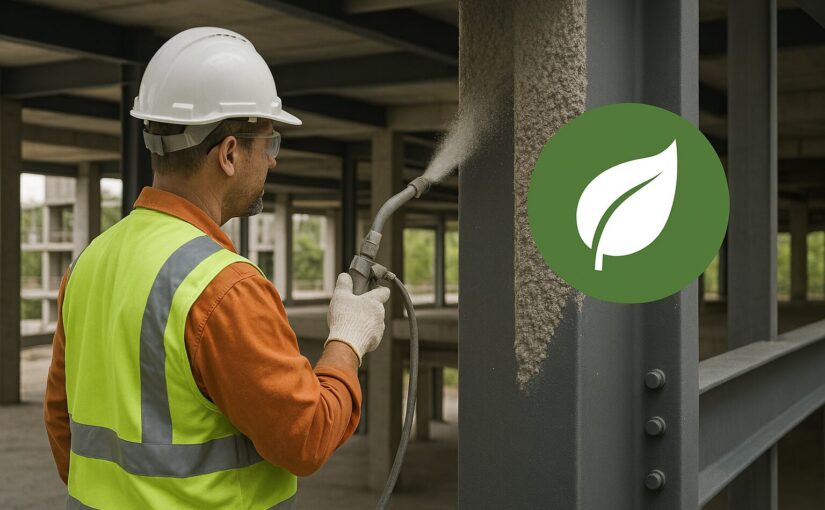
Fireproofing for sustainable buildings is the process of applying materials and systems that increase the structure’s resistance to fire, slow down heat transfer, and help contain fire spread. This includes spray-applied fire-resistant materials, intumescent coatings, fireproof boards and insulation, concrete and mortar systems.

These fireproofing methods protect occupants and also enhance the resilience of the structure, minimize material waste during a fire outbreak, thus supporting eco-friendly goals.

Fireproofing and Green Building Certification

Fireproofing plays a key role in Green Building Certification. Fireproofing seamlessly blends safety with sustainability. It helps extend the lifespan of the building, minimizes the need for reconstruction after fire incidents, conserves resources and supports optimum use of the materials.

Role of Fireproofing in LEED Certification

Fireproofing supports LEED Certification by increasing the building’s safety, durability and sustainability. It protects structural materials like steel and concrete, while also reducing the need for repairs and replacement.

The fireproofing materials, like intumescent paints and recyclable boards, align with the LEED credits under Materials & Resources and Indoor Environmental Quality. Furthermore, the premium quality fireproofing systems that improve energy efficiency or minimize the carbon footprint may earn points under the Innovation category.

Thus, fireproofing is an important contributor to LEED’s holistic green building framework. Using intumescent coatings with water-based, low-emission formulas can help both in meeting fire codes and eco-friendly credits.

Fireproofing and IGBC Certification

The IGBC Green Building Rating System prioritizes resource conservation and safety in Indian construction projects. The fireproofing aligns with the IGBC in many ways –

  • Increased Safety
  • Energy Efficiency
  • Use of local materials to reduce transport emissions.

Fireproofing and Green Building Certifications

Green Building Certifications focus on holistic sustainability. It covers energy, materials, and indoor air quality and occupant well-being. Fireproofing adheres to these frameworks by

  • Extending Lifespan of Building: Fireproof buildings resist catastrophic damage, minimize the need for premature reconstruction.
  • Support Material Efficiency: It also acts as a protective cover for steel, wood and concrete, ensuring the resources are not wasted after a fire breakout.
  • Enhancing Occupant Safety and Comfort: Certifications like LEED prioritize health and safety, and fireproofing directly supports these criteria.
  • Improve Insurance and Risk Ratings: The buildings with robust fire protection systems often qualify for the lower insurance premiums, reinforcing economic sustainability.

Environmental Benefits of Fireproofing

Beyond direct certification points, fireproofing has broader ecological benefits, aligning with the green business principles.

  • Reduced Carbon Footprint from Reconstruction: A fire-damaged building requires demolition and reconstruction from scratch. This leads to significant carbon emissions. Fireproofing helps avoid this wasteful cycle.
  • Resource Conservation: Preserving steel, wood, and concrete means fewer natural resources are consumed for repairs and rebuilding.
  • Good Indoor Air Quality: Non-Toxic, low VOC fireproofing coatings prevent harmful emissions, ensuring healthy indoor environments.
  • Energy-Efficiency: Some Fireproofing materials, like insulation boards, also increase thermal performance, leading to energy efficiency goals.

Choosing Eco-Friendly Fireproofing Solutions

Not all the fireproofing materials are created equal. For green building certifications, it is important to choose solutions that balance safety and sustainability. Here are some of the most used sustainable fireproofing solutions-

  • Water-Based Intumescent or Low VOC Coatings: This fire-resistant solution is safe for installers and occupants.
  • Recycled or Recyclable Materials: The spray-applied coatings with recycled content contribute to material efficiency.
  • Non-Toxic Options: The non-toxic fire-resistant solutions are free from asbestos, halogens and other harmful chemicals.
  • Locally-Sourced Materials: The locally sourced materials for building reduce transportation emissions and support local economies.

What are the challenges of aligning fireproofing with Green Certifications?

While fireproofing is important, achieving compliance with green standards can be challenging.

  • Higher Initial Costs: Eco-Friendly fireproofing materials are more expensive upfront.
  • Availability: The sustainable fireproofing options may not be available in all regions.
  • Technical Synergy: Blending fireproofing elements with the structure’s design aesthetics and energy efficiency requires expertise.

These challenges can be offset by long-term benefits such as lower maintenance, higher property value and reduced operational risks.

How to choose good, sustainable fireproofing solutions?

Choosing the right fireproofing solutions is important for balancing safety, sustainability and compliance with the green building norms.

Here are some of the key points to consider-

  • Choose the water-based or low-VOC intumescent coatings that reduce harmful emissions and enhance indoor air quality.
  • Select the products made from recycled materials or those that can be reused at the end of their lifecycle.
  • Make sure the materials carry 3rd party certifications or are environmentally compliant.
  • Select the products that contribute to LEED or IGBC credits under Materials and Resources or Indoor Environmental Quality.
  • Consider local sourcing or regionally produced fireproofing products that minimise transportation emissions and support local economies.
  • It is important to evaluate how long a fireproofing solution will last without frequent replacement, ensuring cost-effectiveness and reduced waste.
  • Some fireproofing solutions improve thermal insulation or soundproofing, offering added eco-friendly benefits.
  • Choose the fire-resistant system that requires minimal energy, water or chemical use during application, minimising the ecological impact.
  • Work with the trusted suppliers. JPSC Solutions are reliable suppliers of premium-quality fire-resistant solutions. They are transparent about material composition and eco-friendly practices.

Consider these factors to ensure the fireproofing choices enhance safety and align with long-term sustainable goals.

Fireproofing is not code compliance or occupant safety; it is a strategic enabler of eco-friendliness. Today, climate responsibility and resilience are the main priorities, fireproofing is important for achieving sustainable and safe buildings.

FAQs

  1. What is fire safety in the green building design?
    Fire safety in green building design is the integration of fire-resistant materials, systems and strategies that protect the occupants and structures while supporting eco-friendly initiatives and environmental performance. JPSC Solutions supplies premium quality, sustainable fireproofing solutions that help achieve green building certifications.
  2. Why are sustainable fireproofing solutions important in today’s era?
    Sustainable fireproofing solutions are important as they ensure life safety, minimize ecological impact, conserve resources and support green building certifications in an era focused on sustainability.
  3. How are fireproofing solutions important in achieving green building certifications?
    JPSC Solutions fireproofing solutions are important in achieving green building certifications as they increase safety, durability and resource efficiency while contributing to credit in materials, indoor air quality and innovation.

The Need for Steel Structure Fireproofing in Commercial or Industrial

Steel is the pillar for commercial and industrial infrastructure. From high-rise office buildings to warehouses and manufacturing facilities, steel’s strength, flexibility and cost-efficiency make it a go-to choice for construction.

Steel is strong but not invincible. Under extreme heat, during fire, steel can lose its load-bearing capacity, putting lives, assets and structural integrity of the building at risk. This makes steel fireproofing solutions an essential need in both commercial and industrial settings.

Why is steel structure Fireproofing Important?

Steel has exceptional strength. However, it is sensitive to temperature. When exposed to fire, steel begins to lose about 50% of its strength and can fail at high temperatures. This structural weakening can occur at any time of a fire breakout.

This will lead to huge damage and building collapse due to fire. It is therefore important to work with professional steel structure fireproofing services to ensure robust protection of the building.

Reasons for Steel Structure Fireproofing-

  • Preserves structural stability
  • Prevents early collapse
  • Meets fire safety norms
  • Protects business continuity by reducing downtime after a fire accident.

What are the benefits of Commercial Fireproofing? Give a Case Study for the same.

  • Increased Life Safety: Fireproofing delays heat penetration into structural steel, allowing more time for safe evacuation. The fireproofing reduces the risk of structural collapse during a fire, protecting occupants and first responders.
  • Structural Integrity: The steel fireproofing maintains steel strength for a longer period in high temperatures. The process prevents premature warping, buckling or failure of load-bearing members.
  • Regulatory Compliance: The fireproofing meets the local and international building codes. It avoids legal penalties and ensures the building passes safety inspections.
  • Reduces property damage: The process reduces fire-related structural damage, lowering repair and reconstruction costs. It helps protect valuable equipment, assets and inventory.
  • Lowers Insurance Premiums: Insurance companies offer reduced rates for properties with certified fireproofing. The fireproofing of your facility improves eligibility for comprehensive coverage.
  • Business Continuity: The fireproofing minimizes downtime after a fire by protecting key structural parts. As the recovery is faster, there is less loss of business revenue.
  • Enhanced property value: The fireproofed buildings attract higher resale value or lease rates due to added safety. They appeal to tenants who seek strict safety norms.
  • Aesthetics and functional flexibility: Fireproofing solutions like intumescent coating allow for an attractive finish without compromising safety. They have multiple application options suiting different designs and operational needs.

Case Study – Office Building Fireproofing

A 20- storey commercial office building in Gurgaon was constructed with a steel frame and large open floor layouts. The building owner wanted to ensure the highest level of fire safety while meeting local fire code norms. He approached the reputed industrial fire proofing service providers JPSC Solutions, who implemented a robust fireproofing method.

The main challenge in this project was the building’s open plan design, where the steel beams and columns were exposed and highly visible. The expert service provider applied Intumescent Coating to all the exposed steel members. The coating thickness was calculated based on the steel size and fire-resistant needs. They ensured that they met all norms and local building code fire resistance needs.

The intumescent coating provided a smooth, paint-like finish that matched the architectural grandeur, keeping the open plan intact. In a small fire incident on the 10th floor caused by the electrical equipment, the fireproofing prevented the steel beams from reaching a critical temperature, avoiding any structural compromise.

This case study proved that working with professional fireproofing contractors for commercial buildings is a smart investment that safeguards life, reduces losses and maintains business continuity, adding tangible financial value to the property.

What are the common methods of steel structure fireproofing?

  • Intumescent Coatings: It is a popular option for both commercial and industrial settings. Intumescent Paint swells when exposed to heat, forming a thick insulating char that slows down temperature rise in the steel. The pain has a thin texture and has an aesthetically pleasing finish. It is apt for exposed steel elements. They are also easy to apply and maintain.
  • Spray Applied Fire Resistive Material: This method involves spraying a cementitious or fibrous material directly onto the steel members. It is a cost-effective method and apt for large-scale projects. The process provides good thermal insulation. The spray can be quickly applied to material surfaces.
  • Board Fireproofing Systems: The fire-resistant boards or panels are mechanically fixed around steel members. They are durable and impact-resistant. They have a clean and professional appearance and cause minimal on-site mess compared to spraying.
  • Concrete Encasing: Encasing steel columns and beams in concrete provides great fire resistance. They provide strong protection against fire and have low maintenance. They are integrated into the building’s structural design.

Fireproofing steel structures is not a good practice; it has many compliance benefits, including avoiding fines and shutdown orders, demonstrating due diligence in protecting occupants and increasing building value by meeting safety certifications.

How to choose the best steel structure fireproofing services?

  • Choose the service provider with a proven track record in commercial and industrial buildings.
  • Make sure they comply with local building codes and regulations.
  • Assess their material quality. Ensure they use tested and high-performance fireproofing products.
  • Check their past project reviews and client testimonials.
  • It is advisable to choose a service provider like JPSC Solutions, skilled in intumescent coatings, SFRM or board systems as per your needs.
  • Opt for the service providers offering inspection and reapplication services.
  • Compare their costs and timelines. Choose the service provider that balances quality with budget and delivery speed.

In commercial and industrial settings, steel structure fireproofing is a vital safeguard for lives, assets and business operations. They prevent the collapse of the steel structure, meet building code norms and ensure faster recovery after a fire, delivering safety and economic benefits. Investing in fireproofing solutions today is protecting your business, employees and customers for the future.

FAQs

  1. What is steel structure fireproofing?
    Steel Structure fireproofing is the application of protective materials to the steel components to prevent or delay loss of strength during a fire. JPSC Solutions offers long-lasting and cost-effective fireproofing solutions for structural steel.
  2. What is the benefit of fireproofing structural steel?
    The fireproofing of structural steel preserves its strength during high temperatures, preventing premature collapse and increasing safety.
  3. Why JPSC Solutions is the best fireproofing solutions service provider?
    JPSC Solutions is the best fireproofing service provider for its experience and expertise, certified materials and commitment to deliver long-lasting protection.

CO₂ vs DSPA Systems: Which is Safer, Greener and More Cost-Effective?

Fire accidents can cause huge losses not only of property but also of lives. Fire suppression systems are a lifesaver. However; when choosing a good system, one must consider three pillars, including safety, environmental impact and cost-efficiency.

What is a Fire Suppression System?

A fire suppression system is a specially designed system that automatically detects and extinguishes fires using various extinguishing agents. They are important in protecting lives, property and equipment in both residential and commercial settings.

The system responds quickly to control or extinguish fires before they spread, often without the need for human intervention.

Who are the two leading contenders in Fire Suppression System?

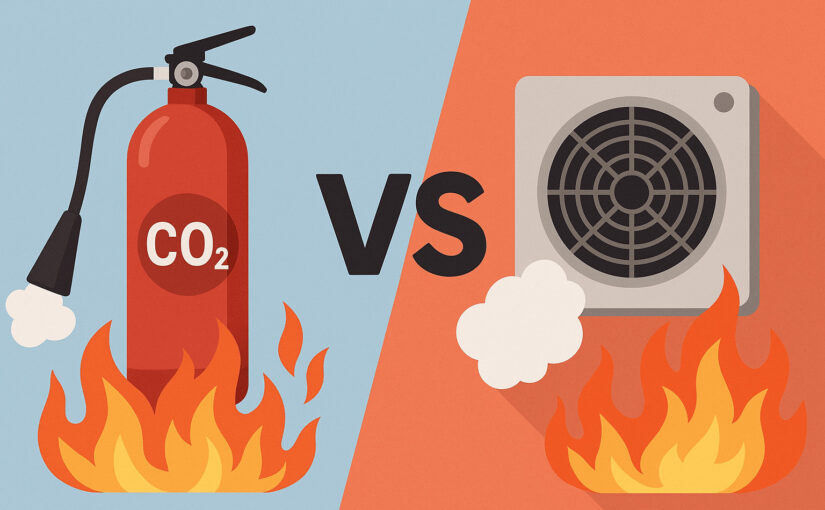
CO₂ (carbon Dioxide) and DSPA (Dry Sprinkler Powder Aerosol) Systems are the two leading contenders. Both have a proven record in fire control, but they vary significantly in terms of how they function and perform across different criteria. Both are rated as safer fire suppression systems.

What is CO₂ Fire Suppression?

Co2 fire suppression systems use carbon dioxide gas to extinguish fires by displacing oxygen, which is essential for combustion. They are commonly used in electrical rooms, engine compartments, industrial settings and data centres.

What is the DSPA System?

Dry Sprinkler Powder Aerosol (DSPA system is an aerosol-based fire suppression system that releases a fine potassium-based dry chemical into the air. This chemical interrupts the chemical reaction of the fire rather than removing oxygen. The process makes it effective for enclosed environments without harming people or sensitive equipment.

CO₂ v/s DSPA Fire Suppression- Which System Possesses Less Risk

DSPA is a clear winner as they are safer, especially for occupied spaces or scenarios where human presence is likely during activation.
CO₂ system safety concerns are-

  • Oxygen Displacement: The CO₂ fire suppression system works by removing oxygen from the air. This makes it a dangerous process for humans and animals in the area during discharge.
  • Entry Restrictions: After use, areas need to be ventilated and checked thoroughly before re-entry is allowed.
  • Warning systems required: There is a risk of asphyxiation, and CO₂ systems must be installed with alarms and delay timers to allow evacuation.

Why is the DSPA Fire Suppression System Safe?

  • Non-Toxic and Human Safety: DSPA aerosols are safe for occupied areas. They do not displace oxygen, making them ideal for environments with people or sensitive electronics.
  • No High Pressure Release: The system discharges with low pressure, reducing the risk of structural or equipment damage during deployment.
  • Minimal Visibility Impact: Unlike traditional extinguishers, the aerosol remains suspended for a short duration and settles slowly, maintaining visibility during assessment or escape.

CO₂ or DSPA – Which of the two is Eco-Friendly Fire Suppression Systems

CO₂- Causes Adverse Effects on the Environment

  • Though a naturally occurring gas, its release in concentrated amounts contributes to greenhouse gas emissions.
  • Carbon dioxide does not deplete the ozone layer, but large-scale use can still harm the environment if not recycled properly.
  • Re-pressurizing or refilling cylinders is an energy-intensive process.

DSPA System- Greener and Sustainable Option

  • The agents are ozone-friendly and have negligible global warming potential.
  • Unlike traditional water-based sprinklers, DSPA systems avoid unwanted water usage and do not create runoff.
  • The remains from this system are minimal and non-corrosive, ensuring easy cleaning and less damage to the environment. Thus, it is rated as one of the best green fire suppression solutions.

DSPA V/s CO₂ System Comparison

ParameterCO₂ SystemsDSPA Systems
Human SafetyCauses suffocationSafe in occupied areas
Oxygen DisplacementYesNo
Ozone-FriendlyYesYes
Global WarmingModerateNegligible
Cost of InstallationHighModerate
MaintenanceFrequentMinimal
Cleanup After UseVentilationEasy Cleaning
Lifespan5-10 YearsMore than a Decade
Use Ideally inUnoccupied AreasOccupied and Unoccupied Areas

The Most Cost-Effective Fire Suppression Systems

CO₂ System-

  • They have a high installation cost. They need pressurized cylinders, discharge nozzles and safety measures that increase setup costs.
  • The systems need to be inspected regularly; refilling, and consistent safety tests make their maintenance costly.
  • After activation, the areas need to be ventilated and downtime, adding to downtime and indirect costs for businesses.

DSPA System Financial Benefits

  • Their cost of installation is low. The generators are modular, compact and easier to install. There is no need for any pressurised piping system.
  • These systems are preferred for their low or minimal maintenance. This reduces their long-term operational costs.
  • The DSPA units can last more than a decade without replacement or recharge.
  • As the system is self-contained and clean, there is quick activation and minimal downtime. The business operations can resume faster after a fire incident.

The lifetime cost of owning a DSPA Fire Suppression System is significantly lower due to reduced maintenance and quicker recovery time.

CO₂ v/s DSPA Fire Suppression System – Which is Better?

The CO₂ system is the best option if the protected area is unoccupied during discharge. One needs a very fast suppression of high-energy fires; CO₂ is a preferred option.

The DSPA system is a go-to option if the protected area is frequently occupied. Also, if one wants a sustainable, low-maintenance and scalable system, it is a good option. Also, for enclosed environments like engine rooms, vehicles or warehouses, the DSPA fire suppression system is an apt choice.

However, DSPA fire suppression systems outperform CO₂ systems in safety, environment-friendliness and cost-effectiveness. While CO₂ systems have their place in specific industrial or enclosed applications where human presence is limited, DSPA offer lower risk, versatile and eco-friendly performance.

For a smarter, safer, greener and cost-effective choice, DSPA Fire Suppression System is a perfect choice.
Work with a certified fire safety expert who guides you with the best fire suppression system for your facility.

FAQs

  1. What are fire suppression systems without water?
    The fire suppression systems without water use agents like gas, foam or dry chemicals to extinguish fires without causing water damage. JPSC Solutions offers a variety of fire suppression systems in sync with your requirements.
  2. What is a CO₂ fire suppression system?
    A CO₂ fire suppression system uses carbon dioxide gas to extinguish fires by displacing oxygen and reducing the heat below combustion levels.
  3. Which is better, CO₂ or DSPA Fire Suppression System?
    DSPA is better than CO₂ for safety, sustainability and affordability, especially in occupied or sensitive areas. JPSC Solutions offers the premium DSPA Fire suppression system according to your needs.

What is Expansion Joint Fire Rated Sealing and Why it Matters in Building Safety?

Modern buildings must meet stringent safety and performance norms. Among many building elements that contribute to structural integrity and occupant safety, expansion joints play a key role, when they are properly sealed with the fire-rated joint system.

What are the Expansion Joints?

The Expansion Joints are the deliberate gaps or spaces incorporated into the buildings, bridges and other structures allowing for thermal expansion and contraction, seismic movement, wind sway or other dynamic forces.

These joints prevent damage or cracks to your building which could result from natural building movement due to changes in temperature of ground shifts.

In high-rise buildings, malls, airports or hospitals the expansion joints are strategically placed in floors, walls, ceilings and even roofs.

Expansion Joint Fire Rated Sealing – A Critical Life Safety Measure

The expansion joint allows buildings to move safely, they also present a potential fire hazard. These joints create pathways where smoke, heat and fire can quickly spread from one area of the building to another, by passing fire-rated barriers.

If the expansion joints are not sealed properly they can compromise compartmentalization in fire-rated walls or floors. They allow the uncontrolled spread of smoke and toxic gases. This will increase the risk to life safety and minimize evacuation time. This will lead to greater property damage and loss.

What is an Expansion Joint Fire Barrier?

Expansion Joint Firestop is the meticulously designed fire-resistant material to seal expansion joints in a way that maintains their ability to move while also resisting the passage of fire, smoke and hot gases for a specific duration usually one or four hours as per the building codes.

Benefits of Expansion Joint Fire Protection System

In industrial and commercial buildings, the expansion joints are important for absorbing structural movements caused by temperature changes, seismic activity or wind loads. These joints, however, can become the vulnerable pathways for the rapid fire spread, smoke and toxic gases if they are not sealed.

Here is where the fire-rated expansion joint sealant comes into play. Here are some of the significant benefits of installing a fire-rated sealing system for expansion joints.

  • Enhanced Safety: The fire-rated joints slow the fire spread, smoke and heat giving the occupants more time to evacuate. They limit the exposure of toxic gases, minimizing the risks of smoke inhalation, a main cause of fire-related deaths. The sealant creates safer conditions for first responders entering the building during a fire.
  • Preserve Fire-Rated Assemblies: The expansion joints interrupt walls, floors and ceilings, which are often rated for fire resistance. The fire-resistant joint sealant restores the integrity of these assemblies by preventing the passage of fire across joints. It also ensures that the fire resistance of the entire barrier remains intact.
  • Code Compliance: The sealant complies with national and international building codes. It meets testing standards and helps avoid penalties, project delays or rework due to non-compliance.
  • Protecting Critical Assets and Infrastructure: The leading-edge fire-stop joint system prevents damage to electrical systems, data centres, machinery and other valuable tools. They limit fire spread to isolated zones, minimizing damage to stock, documents or operational areas. It also reduces the downtime and speeds up the recovery of business after the fire incident.
  • Support for building movement and flexibility: Unlike rigid fire barriers, these systems are meticulously designed to move with the structure during expansion, contraction or seismic shifts. The sealant ensures long-term durability without compromising fire safety. It maintains performance under normal building movement or extreme stress conditions.
  • Reduced Insurance Premiums and Legal Risks: The expansion joint fire protection system demonstrates due diligence in fire protection planning, leading to potential insurance savings. It also reduces the risk of litigation or liability in the event of fire-related damage or inquiry. The sealant enhances building documentation and compliance during fire audits or claims.
  • Improved Building Resilience of Longevity: The joint fire barriers add a vital layer of passive fire protection enhancing the structure’s ability to contain emergencies. They protect structural elements, minimize repair costs and prolong building lifespan. The best service providers use sealants in sync with sustainable building materials supporting green building certifications.
  • Tailored Solutions: The expansion joint barriers are available in varied forms like fire caulks, intumescent foams, mineral wool systems or modular pre-engineered barriers. They can be customized to interior or exterior joints, horizontal or vertical orientations and different fire rating needs. They are apt for complex structures like healthcare facilities, airports, malls, industrial plants and high rises.
  • Aesthetic and Practical Integration: The modern fire-rated expansion joint sealants are meticulously designed to blend seamlessly with the architectural finishes. They can be installed flush to the surface to avoid tripping hazards of visual distractions. Some options also provide soundproofing, waterproofing and thermal insulation in addition to fire protection.
  • Peace of Mind: The expansion of joint fire barriers offers the building owners, occupants and facility managers; confidence in the building’s ability to withstand and contain a fire. They reduce the stress during inspections, occupancy certifications and renovations. The sealants also ensure that life and property are protected even in the worst-case situations.

Applications of Fire-Rated Joint Sealing

  • Vertical Walls
  • Horizontal Floor Joints
  • Roof Joints
  • Façade Joints
  • Seismic Joints

The sealant is very important in high-occupancy and high-risk structures like hospitals, airports, commercial complexes, educational institutions, underground tunnels, IT parks and more.

Expansion Joint Fire-Rated Sealing is like a small detail in building construction but its importance cannot be ignored. In the event of a fire breakout, properly sealed joints contain the spread, save lives and preserve property ensuring code compliance.

FAQs

  1. What is the expansion joint fire protection system?
    It is a fire-rated sealing solution meticulously designed to block fire, smoke and heat from passing through the structural expansion joints. JPSC Solutions Pvt. Ltd. provides premium expansion joint fire protection tailored to your building needs.
  2. Why fire-rated sealing is important for expansion joints?
    The unsealed joints can allow fire and smoke to spread quickly between the building’s compartments; compromising the safety of the occupants.
  3. Where are expansion joint fire protection system typically used?
    The expansion joint fire protection system by JPSC Solutions Pvt. Ltd. is commonly installed on floors, walls, ceilings and roofs of commercial and industrial buildings.

What is the Fire Retardant Spray for Fabric, and How does it Work?

A fire-retardant spray for fabric is a solution that treats the fabric to resist ignition and slow the spread of flames.

Fire safety is important in both residential and commercial spaces. Fabrics used in curtains, clothing, stage drapes, upholstery and tents are highly inflammable and pose a huge fire risk.

To minimize the fire hazard, one effective solution is the application of fireproof fabric spray.

What is Fire Retardant Coating for Fabric?

A Fire Retardant Spray is a chemical solution formulated specially to treat materials like fabric, making them less likely to ignite when exposed to fire or extreme heat.

These sprays do not make the fabric completely fireproof, but they significantly slow down the burning process, giving the occupants more time to react and escape in case of a sudden fire breakout.

Importance of Fire-Resistant Spray for Fabric

Fire-resistant fabric spray is applied to synthetic fiber’s molecular structures as they transform gases and tars into carbon char, thus decreasing the burning pace of the fabric.

Fireman consumes, industrial work wear, contractor attire, painter clothes, and so on, all use different fire retardant sprays so their fabric burns slowly in the event of a sudden fire breakout.

  • Enhanced Fire Resistance: The treated fabric resists ignition and spreads flame much more slowly.
  • Adhere to the safety code: Many public places are required by law to meet fire safety norms.
  • Protect Lives and Property: Slow-burning fabrics reduce smoke and toxic gas emissions, giving more time to evacuate.

How to Treat a Fabric with Fire Retardant Spray?

The process of treating fabric with the fireproof fabric spray for clothes involves applying the specially formulated chemicals to minimize its flammability. Different methods are used to apply the chemicals, including spraying, dipping or incorporating them into a fabric during the manufacturing process.

The aim is to create a protective shield that suppresses or delays the ignition and spread of flames when exposed to fire.

Applying a fire retardant spray on a fabric is a relatively simple process, but it should be done carefully.

  • Check the Compatibility of the Fabric: Not all fabric responds the same way. Test a small area first to ensure no discoloration or damage to the fabric.
  • Clean the Fabric: Clean the fabric thoroughly, as dirt or oil present may prevent proper absorption. Make sure the fabric is clean and dry before spraying.
  • Select the appropriate treatment method: Select the appropriate selection method, like spraying, dipping or adding fire retardant chemicals directly during fabric manufacturing. Every method is suited for different fabric types and intended uses.
  • Application: Apply the fabric fire protection spray according to the chosen method. Use the sprayer to apply the solution evenly across the entire surface. Apply multiple light coats instead of a single heavy coat. Many are sure that there is even application of the coat. For dipping, the fabric is submerged in the chemical solution, and the spraying process, a spray is used that involves even distribution of the chemicals onto the surface of the fabric.
  • Allowing the Fabric to Dry: Allow the fabric to dry completely. It typically takes a day for the fabric to dry. This will ensure that the chemicals bond to the fabric’s fibres effectively to reduce its flammability.
  • Fabric Testing: Test the treated fabric to ensure it is resistant to flame. This step confirms the effectiveness of the fire retardant and whether it meets the safety norms.
  • Reapplication as Required: This treatment is not permanent. Washing, dry cleaning or exposure to the weather can minimize the effectiveness, so reapplication may be required.

How to Test the Effectiveness of Fire Retardant Spray in the Fabric?

After the flame retardant fabric treatment, you can conduct the basic flame test.

  • Cut a small piece of the treated fabric.
  • Hold that small piece with tongs or forceps over the flame for a few seconds.
  • If the fire retardant spray for fabric treatment is effective, the fabric will self-extinguish or burn slowly with limited flame spread.

For commercial purposes, professional testing aligned with standards or similar codes is recommended.

Is Fire Retardant Spray Safe?

Most modern fire-resistant sprays for fabric are safe

  • They are non-toxic and odorless
  • They are safe for use around children and pets
  • They are a sustainable and biodegradable option.

How long does Fire Retardant Spray Last on Fabric?

This depends on various factors, including the treatment type, application quality and use frequency. Generally, the fire retardant spray treatment is not a permanent solution. The durability of the treatment can also be affected by the quality of the initial application.

The fabrics treated with precision and the best quality chemicals will maintain their fire-resistant properties for long periods. However, frequent washing or cleaning, exposure to harsh weather conditions and abrasion can accelerate the deterioration of these treatments.

It is advisable to refer to the guidelines offered by the manufacturers on how to take care of fire-retarded treated fabrics to enjoy their maximum lifespan. Using gentle cleaning methods and avoiding harsh chemicals can prolong the treatment’s effectiveness.

Upholstery Fabric- Is Fire Resistant Spray Treatment Required?

Upholstery Fabric is a durable textile used to cover furniture like sofas, chairs and cushions. They are widely used in homes, offices and public spaces. Treating this fabric with a good-quality fire retardant spray prevents it from igniting easily and slows the spread of flames. This reduces the hazards caused by to sudden fire breakout.

A good fire retardant spray for fabric is a practical and effective way to enhance fire safety in homes, businesses and public venues. Treating the fabric with fire-resistant chemicals significantly reduces flammability and flame spread, buying crucial time in emergencies.

FAQs

  1. What is fire-resistant fabric spray?
    Fire-resistant fabric spray is a chemical solution to reduce the fabric’s flammability by slowing down or preventing ignition. JPSC Solutions’ best quality fire retardant fabric spray is an effective solution to reduce flammability and flame spread.
  2. How long does a fire retardant spray’s effect last in fabrics?
    The effect lasts until the fabric is washed, cleaned or exposed to moisture, after which reapplication is needed.
  3. Are fire-resistant sprays for fabric safe?
    Yes, JPSC Solutions’ fire-resistant fabric spray is non-toxic, safe for pets and children, eco-friendly, bio-degradable and odorless.

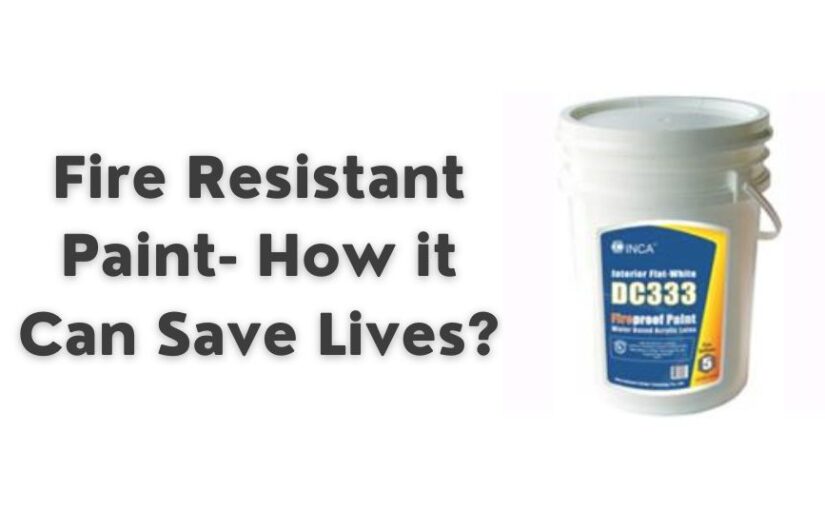
Fire Resistant Paint- How it can save lives?

Fire is the most devastating damage that can occur in structural settings including residential, commercial or industrial buildings.

From short circuits to human negligence or outage of a fire breakout, fire accidents can be unprecedented. They are the most destructive form of accident causing property damage and loss of life. That is why taking proactive steps towards fire safety is not a choice; but a necessity to protect the structures from unpredictable fire accidents.

Among the many fire safety measures, fire-resistant paint has emerged as an effective and simple solution that can significantly slow down the spread of fire. The paint gives enough time for the occupants to leave the building and for the firefighters to arrive at the site and begin their fire control work.

What is a Fire Resistant Paint?

Fire-resistant paint is a robust fire-stop barrier system that is also known as intumescent or fire retardant paint, a specially formulated coating designed to resist ignition and minimize the spread of flames on surfaces like walls, ceilings, structural steel and wood.

This paint reacts to the high temperature of fire. When exposed to fire, the fireproofing paint for the steel structure expands and forms a protective insulating layer that slows down heat transfer and flame penetration.

Why is fire-resistant paint perfect for steel structural fireproofing?

  • Thermal Insulation: The intumescent paint expands in contact with extreme heat during a fire. This forms a thick char that insulates the steel from high temperatures.
  • Delays Collapse: The paint helps maintain the steel’s structural strength for at least two hours preventing collapse during the fire breakout.
  • Lightweight: By applying the fire-resistant paint, there is no addition of any weight to the structure as the paint is light in weight unlike cladding or concrete encasement.
  • Space-Saving: The thin film coating preserves the space, ideal for modern architecture and interiors.
  • Easy to Apply: The intumescent paint is easy to apply on-site or off-site using a brush, roller or spray.
  • Aesthetic Look: The paint is available in various finishes to meet the architectural and design needs of the structure.
  • Code Compliance: The paint meets the NBC and IS codes for steel fireproofing.
  • Cost-Effective: The fireproofing paint for steel structures is cost-effective as compared to heavy fireproofing materials.
  • Versatility: The paint can be used for multiple purposes including beams, columns and steel frames in commercial, industrial and residential buildings.
  • Low Maintenance: Once applied, this paint offers long-term protection with minimal upkeep.

How the fire fire-resistant pain work?

There are two main types of fire-resistant paints-

  • Intumescent Paint: This paint expands fifty to a hundred times its original thickness when exposed to high temperatures. The paint forms a thick foam-like layer that insulates the surface. It is widely used on structural steel and wood.
  • Fire-Retardant Paint: This paint chemically slows down the combustion process. It does not expand but helps reduce flammability. They are commonly used in interior walls, ceilings and wooden surfaces.

Key life-saving benefits of fire-resistant paint

  • Slows down the fire spread: One of the most dangerous aspects of fire breakout is that it quickly spreads. Fire retardant paint for cables delays the fire spread, giving the occupants extra time to vacate the building. In buildings with many floors or limited exists, this can make the difference ensuring every occupant can evacuate the spot and no life is lost.
  • Reduces smoke generation: Thick smoke is the leading cause of injury and death in fire accidents. Vermiculate coating for steel structure help minimize smoke production, improving visibility and air quality during evacuation. This makes it easier for people to find their way out and for firefighters to navigate the structure.
  • Protects Structural Integrity: The collapse of structural elements like steel beams is a major risk during a fire. The fire retardant paints act as a thermal barrier, protecting these elements for longer, and preventing collapse, which otherwise can cause mass casualties.
  • Safe Escape routes: Fire-resistant paint is applied on escape routes, staircases and corridors; these can be used by the occupants to evacuate for a longer time. The paint ensures that the people will have a clear and safe path to exit, minimizing panic and stampeded-like situations.
  • Time for Firefighters: Every second counts during a fire accident. The paint slows the fire’s progress, buying valuable time for the fire-fighters to reach the location, control the blaze and rescue trapped individuals.

What are the ideal places to use fire-resistant paint?

  • Commercial Buildings
  • Residential Apartments
  • Factories and Warehouses
  • Educational Institutions
  • Public Infrastructure

Indian Regulations- Fire Resistant Paint

The National Building Code (NBC) of India emphasizes the importance of passive fire protection which includes fire-resistant coatings. According to the NBC regulations, high-rise and industrial buildings must have fire-retardant paint to safeguard lives and structures. The paint is used to help meet the compliance norms.

Choosing the right fire-retardant paint for your structure

  • Check the certified fire rating. The rating is specified in terms of minutes it can resist for instance 30, 60 or more.
  • Check the material compatibility. Different paints are suited for different surfaces. Choose the one accordingly.
  • Make sure the intumescent paint meets the IS standards or has approvals from fire safety authorities
  • It is advisable to work with certified professionals to apply fire-resistant paint to the structure. The experts prepare the surface before application and consider the apt paint thickness ensuring effectiveness.

Fire-resistant paint protects human life during a fire accident; making it a must-have element in every structure.

FAQs

  1. What is fire-resistant paint?
    Fire-resistant paint is a special coating that slows down the fire spread by forming a protective shield when exposed to high temperatures.
  2. Why does fire retardant paint protect structural integrity?
    JPSC Solutions fire retardant paint protects the structural integrity by insulating surfaces from heat, preventing materials like steel from collapsing or weakening during a fire.
  3. How to apply fire-resistant paint?
    Fire-resistant paint is applied using a brush or roller. It is advisable to work with certified professionals to initiate the application process ensuring its effectiveness.